The role of Precision aluminum casting in achieving excellence
Recognizing the Environmental Benefits of Aluminum Shop Techniques
Aluminum factory strategies play an important function ahead of time sustainability within the manufacturing industry. By applying sophisticated recycling approaches and energy-efficient methods, these strategies greatly lower waste and carbon impacts. Innovative casting approaches further enhance resource preservation initiatives. As industries increasingly prioritize ecological obligation, recognizing the complete influence of these methods comes to be essential. What details improvements are leading the way in this improvement?
The Function of Light Weight Aluminum in Lasting Production
Lots of materials contribute to lasting manufacturing, light weight aluminum stands out due to its special homes and recyclability. This light-weight metal is not only durable yet additionally has excellent deterioration resistance, making it a perfect option for different applications, from automobile to construction. Its high strength-to-weight proportion causes energy savings throughout transportation and use. Additionally, light weight aluminum can be reused indefinitely without losing its integral qualities, promoting a round economy.
The production process of light weight aluminum has evolved, including energy-efficient methods that lower carbon impacts. By using renewable resource sources, manufacturers are progressively minimizing the environmental impact connected with light weight aluminum production. Furthermore, making use of recycled light weight aluminum requires significantly less power compared to removing and improving key light weight aluminum, causing reduced greenhouse gas emissions. As industries seek sustainable solutions, aluminum's versatility and environment-friendly features setting it as a critical material in the pursuit of greener production practices.
Advanced Recycling Techniques in Light Weight Aluminum Foundries
Advanced recycling strategies in aluminum factories are changing the means scrap aluminum is refined and recycled. Cutting-edge approaches, such as closed-loop recycling systems, make it possible for factories to recover aluminum from production waste and obsolete products effectively. These systems lessen worldly loss and improve the high quality of recycled aluminum, making it a practical alternative to primary light weight aluminum production.
In addition, progressed arranging innovations, including automated optical sorting and X-ray fluorescence, improve the splitting up of aluminum from other materials, making certain higher purity degrees in recycled outputs. This precision minimizes contamination, which can jeopardize the honesty of the final product.
Furthermore, the assimilation of innovative melting modern technologies, such as induction melting and energy-efficient heating systems, enhances the recycling procedure, decreasing power consumption. Collectively, these developments add to a much more sustainable aluminum industry by lowering reliance on virgin materials and reducing greenhouse gas emissions related to light weight aluminum production.
Energy Performance Improvements in Shop Workflow
Energy performance enhancements in aluminum factory operations can greatly boost sustainability techniques. Implementing waste warmth healing systems permits foundries to repurpose excess energy, reducing total energy usage. Furthermore, innovations in process automation simplify operations, resulting in reduced waste and enhanced source use.
Waste Warm Recovery
Applying waste warm healing systems in aluminum factories significantly improves energy performance by recording and reusing excess thermal power generated throughout manufacturing processes. These systems promote the conversion of wasted warm into functional power, which can be utilized for different applications within the factory, such as preheating materials or powering tools. By recuperating warmth that would certainly otherwise be removed into the setting, shops can substantially reduce their total power consumption and greenhouse gas exhausts. This technique not just decreases functional costs however also advertises sustainable techniques within the industry. In addition, the adoption of waste warm healing technologies straightens with regulative standards focused on decreasing ecological influence, making it an essential component of contemporary light weight aluminum foundry procedures.
Refine Automation Advantages
Automating processes in aluminum shops can considerably boost power effectiveness by maximizing production workflows and minimizing waste. By carrying out advanced technologies such as robotics and maker understanding, foundries can enhance operations, reducing unneeded power intake. Automated systems assist in accurate control over temperature level and material handling, ensuring that power is utilized just when needed. Additionally, real-time monitoring enables prompt modifications, minimizing the risk of power loss. The combination of automation not just enhances productivity however additionally decreases functional expenses, making shops extra affordable. Because of this, these energy-efficient methods contribute substantially to sustainability objectives, decreasing the environmental impact of aluminum manufacturing while satisfying boosting market demands - Aluminum Casting Company. Boosted power efficiency through automation represents an essential action in the direction of greener shop operations
Decreasing Waste With Cutting-edge Casting Techniques
Innovative spreading approaches play a necessary role in minimizing waste in aluminum shops. Methods such as innovative molding and the application of recyclable materials substantially lessen manufacturing scrap. These practices not only boost effectiveness yet likewise add to an extra sustainable production procedure.
Advanced Molding Techniques
As sectors increasingly focus on sustainability, progressed molding strategies in aluminum factories become efficient remedies for lowering waste. These innovative techniques, such as 3D printing and accuracy mold and mildew making, significantly boost the performance of the casting process. By making use of computer-aided design (CAD) and simulation innovations, makers can optimize mold geometry, reducing material use while preserving product stability. In addition, progressed methods allow the manufacturing of complex shapes that standard approaches can not attain, reducing the demand for additional machining and thus reducing scrap material. The adaptability of these methods enables quick prototyping, more lowering lead times and energy consumption. On the whole, the implementation of innovative molding techniques stands for an essential step towards ecologically accountable light weight aluminum production, straightening with worldwide sustainability goals.
Recyclable Material Use
Recyclable materials play an essential duty in minimizing waste within light weight aluminum shops, transforming the casting landscape through their efficient utilization. By including scrap light weight aluminum and various other recyclable components right into the manufacturing procedure, shops can substantially lower the demand for virgin materials. This not just saves natural deposits yet also lessens power usage connected with mining and refining. Innovative spreading methods, such as die spreading and sand casting, enable seamless integration discover this info here of these products, making certain top notch results. The use of recyclable products promotes a round economic climate, where sources are continually recycled and repurposed, minimizing garbage dump payments. Ultimately, the tactical use recyclables enhances sustainability while advertising cost-effectiveness in aluminum foundry operations.
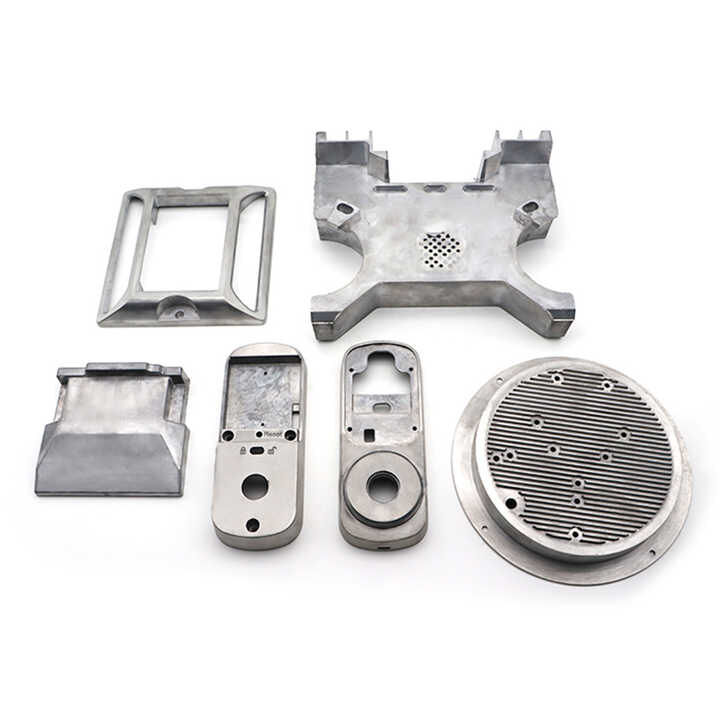
Minimizing Production Scrap
Life Process Assessment of Light Weight Aluminum Products
Light weight aluminum is extensively identified for its lightweight and sturdy properties, a detailed Life Cycle Analysis (LCA) reveals the ecological impacts connected with its usage, production, and disposal. The LCA process checks out the power intake, greenhouse gas exhausts, and source depletion linked to aluminum products from removal of bauxite ore to end-of-life monitoring. Key aluminum production is energy-intensive, frequently relying upon nonrenewable fuel sources, which contributes considerably to carbon footprints. On the other hand, recycling aluminum uses considerable ecological benefits, as it uses only a portion of the energy required for key production. Furthermore, the recycling procedure decreases landfill waste and preserves natural deposits. The LCA likewise considers the product's long life and capacity for reuse, highlighting the value of lasting style. On the whole, comprehending the life cycle effects of light weight aluminum products is necessary for making informed decisions that focus on ecological sustainability within the sector.
Instance Researches: Successful Lasting Practices in the Sector
The light weight aluminum sector has begun to embrace ingenious sustainable practices that attend to the environmental challenges recognized in Life process Evaluations. One noteworthy situation is a leading factory that carried out a closed-loop recycling system, considerably lowering waste and energy consumption. By reusing scrap light weight aluminum in production, the facility accomplished a 40% decrease in its carbon impact.
An additional example involves a producer that took on sustainable energy sources, powering its procedures with solar and wind power - Aluminum Casting Company. This change not just lowered greenhouse gas emissions yet additionally boosted the business's credibility among eco aware consumers
Furthermore, a third shop has purchased innovative spreading strategies, which enhance material usage and minimize issues, even more reducing source consumption. These study highlight that the aluminum sector can integrating lasting methods, demonstrating both environmental duty and financial viability, ultimately contributing to a much more sustainable future.
Regularly Asked Inquiries
Exactly How Does Light weight aluminum Contrast to Other Steels in Sustainability?
Light weight aluminum is usually considered a lot more lasting than numerous steels due to its recyclability, reduced power needs for manufacturing, and reduced environmental influence. Its lifecycle performance exceeds that of steel and copper in numerous applications.
What Is the Carbon Impact of Aluminum Shop Processes?
The carbon footprint of light weight aluminum foundry processes varies, usually varying from 4 to 15 metric loads of CO2 per lots of see post light weight aluminum generated. Variables influencing this consist of power resources, modern technology, and the performance of procedures.
Are There Wellness Threats Connected With Aluminum Shop Procedures?

What Are the Costs Related To Lasting Aluminum Techniques?
The prices connected with sustainable aluminum techniques include greater first financial investments in innovation, prospective boosts in functional expenses, and recurring upkeep. Nonetheless, these are usually countered by lasting savings and reduced environmental influence.
Just How Does Aluminum Recycling Effect Local Communities?
Light weight aluminum recycling favorably influences neighborhood neighborhoods by producing tasks, reducing landfill waste, and lowering power costs. It promotes financial development and advertises environmental stewardship, resulting in much healthier living conditions and boosted neighborhood engagement in sustainability efforts.
In addition, the usage of recycled light weight aluminum calls for significantly much less power compared to drawing out and refining main light weight aluminum, leading to lower greenhouse gas emissions. Advanced reusing methods in light weight aluminum shops are transforming the means scrap aluminum is refined and recycled. Aluminum Foundry. Executing waste warmth recuperation systems in light weight aluminum foundries significantly enhances power performance by catching and recycling excess thermal power created throughout production procedures. Automating procedures in light weight aluminum foundries can considerably enhance energy performance by enhancing manufacturing process and reducing waste. The carbon footprint of aluminum factory processes differs, generally ranging from 4 to 15 statistics heaps of CO2 per lot of light weight aluminum created